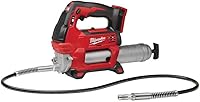
Why Is My Cordless Grease Gun Not Pumping?
A grease gun not working usually needs a power, loading, priming, or blockage check. Match the fix to the symptom before buying grease, a coupler, or a replacement tool.
On this page (8 sections)
- What should you check first when a grease gun is not working?
- Can trapped air keep a cordless grease gun from pumping?
- What if the follower rod is not feeding grease?
- Could the grease itself be causing the problem?
- How do you tell whether the hose or coupler is blocked?
- Why does a grease gun work on one fitting but not another?
- When should you stop troubleshooting and get service?
- Should you repair or replace a grease gun that is not working?
A grease gun not working needs a symptom check before you buy parts: no motor action suggests a power problem, while a running motor without grease points toward loading, trapped air, or a blocked path.
Start by noting when the trouble began. Failure right after a cartridge change calls for a loading and priming check; failure at just one zerk calls for a closer look at that fitting.
What should you check first when a grease gun is not working?
Check power, cartridge loading, and the connection first. These checks help separate a tool problem from a fault at the equipment.
- Confirm the battery is charged, compatible, and fully seated.
- Check the cartridge direction and that its required end closures were removed.
- Confirm the follower mechanism is released as the manual directs.
- Wipe the zerk clean and align the coupler squarely.
- Look for hose kinks, cracks, or damaged connections.
Before opening the barrel or servicing connections, remove the battery and release stored pressure as the manual directs. Never check a leak with your hand; high-pressure grease can penetrate skin, and a suspected injection injury needs urgent medical care.
If a compatible battery works in another tool but this motor remains silent, follow the grease gun's service guidance. Repeated trigger pulls won't resolve an electrical fault.
Grease gun not working after a cartridge change
Recheck loading before replacing anything when the problem starts with a fresh tube. A missed closure, poorly seated cartridge, or follower left locked back can keep grease from reaching the pump.
Our guide to loading a cordless grease gun explains the cartridge and follower steps. Use your model's manual for the exact sequence, since rod and follower designs differ.
Can trapped air keep a cordless grease gun from pumping?
Trapped air can interrupt delivery even with grease in the barrel and the motor running. Prime the tool after cartridge changes using its approved procedure.
Use an air bleeder valve only as directed, including the correct valve position and trigger sequence. Don't loosen the hose or a connection to bleed air.
If grease only sputters, check cartridge seating and follower engagement before repeating the process. Stop if the tool grows unusually hot, leaks, or fails to establish flow within the manual's instructions.
The DeWalt DCGG571B suits buyers replacing a worn gun who want variable trigger control and reach around equipment. Its 42-inch flexible hose, LED, and integrated foot help you position the tool while connecting to awkward fittings.
Its pump delivers up to 5 oz/min, so use short trigger inputs where the equipment needs small amounts. Maximum output is useful for volume work, but it isn't a target for every bearing.
Skip this tool-only option if you need a complete battery-and-charger setup without buying separate items. A new gun also won't solve a blocked equipment passage.
For its setup sequence, see how to prime a DeWalt grease gun. Milwaukee users should follow how to load a Milwaukee grease gun before troubleshooting further.
What if the follower rod is not feeding grease?
A follower that remains locked back or fails to engage can starve the pump. Check its release mechanism rather than forcing the rod forward.
After shutdown and pressure release, inspect the cartridge and follower as your manual allows. Don't use a screwdriver or another tool to push grease into the pump.
A rod position alone may be misleading if the follower isn't engaged correctly. Check that relationship before deciding the barrel is full or empty.
The Milwaukee 2646-20 suits maintenance routes with repeated grease points. Its preset grease counter helps control delivery, while the 2-speed design lets you choose between maximum pressure and maximum flow.
The 48-inch hose helps with reach, and the lock-on/lock-off trigger offers another control option. Follow the equipment's lubrication amount rather than assuming each fitting needs the same dose.
Skip the bare tool if you need a battery and charger included. Buyers servicing only a few easy-to-reach fittings may also have little need for its counter and speed choices.
Could the grease itself be causing the problem?
The wrong grease, contamination, or cold conditions can make feeding harder. Match both the equipment's lubricant specification and the gun's grease requirements.
Color doesn't identify a grease's thickener, compatibility, or intended use. Don't mix products unless the lubricant and equipment makers confirm the combination is suitable.
Cold grease can resist movement more than warm grease. Follow storage guidance and the gun's operating limits; don't use a flame or improvised heater to warm the barrel.
AtomLube Ultra Heavy Duty Red Grease suits compatible wheel-bearing and chassis jobs. AtomLube states that it meets the GC-LB performance classification, and the pack contains 2 cartridges.
Choose it when the equipment calls for a matching formulation and your gun accepts the cartridge size. Skip it when the machine needs another consistency, a special lubricant, or compatibility with an existing grease hasn't been confirmed.
Fresh grease won't repair a pump or clear a damaged hose. Keep cartridges capped and their openings clean so a refill doesn't introduce grit.
How do you tell whether the hose or coupler is blocked?
Separate poor attachment from restricted flow using the gun's approved troubleshooting procedure. Inspect the hose and coupler only after shutdown and pressure release.
A kink can restrict delivery, while grease escaping around the zerk can point to a crooked connection, worn coupler, or damaged fitting. That mess doesn't prove grease is entering the bearing.
Replace damaged hose parts with compatible components of the required pressure rating. Don't straighten a pressurized kink, probe an outlet with your finger, or keep pumping against a suspected blockage.
If the manual permits a flow check, follow its exact method and contain the discharge safely. Stop if you can't confirm that pressure has been released.
The LockNLube Universal Grease Gun Coupler suits connections that are hard to keep seated. Its thumb lever operates attachment and release, and its locking mechanism is rebuildable.
Check clearance around the zerk as well as thread compatibility. The coupler measures 3.5 inches long, so a fitting tucked behind nearby parts may leave too little room to attach it or operate the lever.
Skip it as a cure for airlock, a silent motor, or a blocked equipment passage. A secure connection solves an attachment problem, not every cause of missing grease flow.
Why does a grease gun work on one fitting but not another?
Flow at other fittings points toward the problem zerk, its connection, or the passage behind it. Clean its exterior and inspect for damage before trying to reconnect.
A plugged zerk may need replacement, while a blockage inside the machine needs the equipment's service procedure. Don't force grease through by repeatedly holding the trigger.
Both grease guns above can reach 10,000 PSI maximum pressure. That capacity isn't permission to keep increasing pressure against a resistant fitting.
Follow how to use a grease gun on a zerk fitting for attachment and pumping technique. Use the equipment maker's specified amount or stopping point, since overgreasing can damage seals.
When should you stop troubleshooting and get service?
Stop for leaks, hose damage, unusual noise, or continued failure after correct loading and priming. A stalled pump or electrical fault needs service rather than more trigger time.
Record whether the motor runs, whether trouble began after a refill, and whether the failure affects every fitting. Those details help a repair shop narrow the cause without guessing at replacement parts.
For setup checks, revisit how to prime a DeWalt grease gun or how to load a Milwaukee grease gun. Contact the manufacturer if the correct procedure doesn't restore flow.
After normal use, wipe the coupler, keep dirt out of the outlet, and store the hose without sharp bends. Label the gun with its grease type to reduce accidental mixing at the next refill.
Should you repair or replace a grease gun that is not working?
For a grease gun not working, buy only after identifying which part of the system has failed. Loading and priming problems usually call for correcting the setup before replacing the tool.
- Choose the DeWalt for variable trigger control and a tool that can rest on its integrated foot.
- Choose the Milwaukee for repeated maintenance work where its preset counter and speed selection are useful.
- Choose AtomLube grease only when its formulation matches the equipment's full requirements.
- Choose the LockNLube coupler when attachment is the problem and its threads and clearance fit.
If replacement makes sense, how to choose a cordless grease gun covers the wider buying decision, while our DeWalt vs Milwaukee grease gun comparison helps narrow these 2 tools.
If your gun returns to steady flow, keep it in service and use how to load a cordless grease gun before the next cartridge change.
Frequently asked questions
Why is my cordless grease gun not pumping?
A cordless grease gun can stop pumping because of trapped air, an empty cartridge, incorrect loading, or a blocked grease path; start with a charged, compatible battery, then check cartridge seating and prime according to the manual. If grease flows at other fittings, inspect the problem fitting and equipment passage.
How do I get air out of a cordless grease gun?
Use your model's priming procedure after loading the cartridge; an air bleeder valve helps release trapped air, but its position and operating sequence vary by tool. Don't loosen the hose to bleed the pump; if flow doesn't return, stop and check cartridge seating and follower operation before trying again.
Why does my grease gun motor run but no grease comes out?
A running motor with no grease flow points toward a loading, feed, air, or blockage problem; check whether the cartridge is empty and whether the follower is released correctly, then follow the priming procedure. Remove the battery and release stored pressure as directed before inspecting or removing hose connections.
Why won't my grease gun coupler attach to a zerk?
Dirt, poor alignment, damage, or the wrong coupler can prevent a secure connection; wipe the fitting exterior, approach it straight, and follow the coupler's attachment instructions. Check that nearby parts leave enough room for the coupler and its release mechanism; don't force it onto a bent or damaged zerk.